
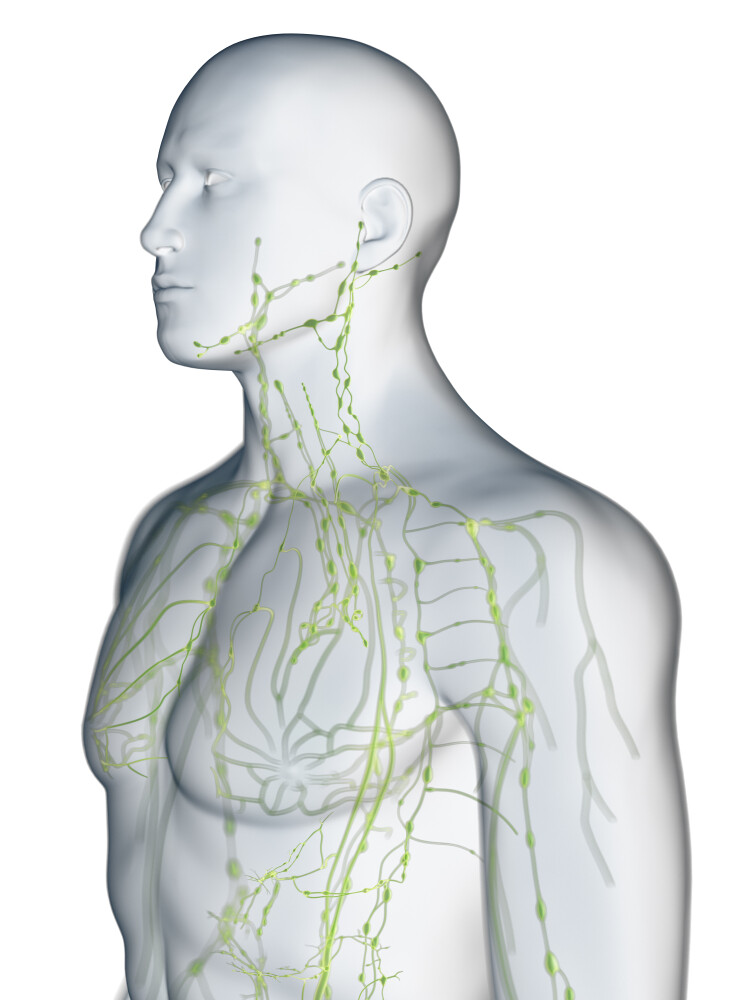
In biology class, we all learn about white blood cells—they patrol the body, fighting off infections and keeping us healthy. But have you ever wondered how these infection-fighting cells get to where they’re needed? That’s where lymph comes in. Lymph is part of your body’s circulatory system, but instead of carrying red blood cells like the bloodstream, it moves clear fluid rich in immune cells, nutrients, and waste products. This system works quietly in the background daily, supporting your immune system, detoxifying your tissues, and maintaining your body’s fluid balance.
Today, Sabrael Wellness Clinic answers, “What does lymph do for the body?”
First, What is Lymph?
Lymph is a clear-to-pale-yellow fluid that flows through the lymphatic system, a network of vessels, nodes, and organs such as the spleen and thymus. It’s created when plasma from your blood seeps into tissues, delivering nutrients and picking up waste before returning to the bloodstream. Along the way, lymph passes through lymph nodes—small, bean-shaped structures that filter out bacteria, viruses, toxins, and other unwanted substances.
Five Things Lymph Does for the Body
- Immune Defense – Lymph acts as a delivery system for immune cells, particularly lymphocytes (a type of white blood cell). When an infection or injury occurs, lymph transports these cells to the site of trouble so they can destroy pathogens and coordinate healing.
- Detoxification – As lymph circulates, it collects cellular waste, toxins, and other debris from tissues and carries them to lymph nodes for filtration. The lymphatic system then channels these substances toward organs like the liver and kidneys for processing and removal.
- Fluid Balance – Lymph returns excess fluid from tissues to the bloodstream, preventing swelling (edema) and maintaining proper hydration in cells and organs.
- Nutrient Transport – Certain nutrients, especially fats and fat-soluble vitamins from digestion, are absorbed into the lymphatic system before entering the blood. This process helps the body efficiently transport and store these essential nutrients.
- Waste Management During Inflammation – When inflammation occurs, lymph helps remove dead cells, bacteria, and chemical byproducts from the area so that healing can progress without lingering toxins.
Why Does Lymph Matter for Wellness? Lymph’s Detoxification Role
Visiting a wellness clinic for lymph care can improve your immune and detoxification pathways. Let’s dive into these two functions in more detail.
The lymphatic system works like a secondary waste disposal network for the body. When blood delivers nutrients to tissues, not all fluid is reabsorbed directly into the veins—some becomes interstitial fluid, which collects metabolic waste, dead cells, and environmental toxins.
Lymph vessels act as a drainage network, carrying this fluid toward filtration centers (lymph nodes). These nodes trap pathogens and debris, allowing the immune system to neutralize them before the cleaned fluid is returned to circulation. Without this detox pathway, toxins would build up in tissues, potentially leading to inflammation, swelling, and chronic illness.
If your bloodstream is like a highway for nutrients, your lymphatic system is the emergency response lane. When bacteria, viruses, or abnormal cells are detected, immune cells travel through the lymph to reach the affected area quickly. Lymph nodes along the way serve as checkpoints—if harmful invaders are found, the immune system activates more white blood cells to fight them. This constant surveillance is why swollen lymph nodes are often an early sign that your body is responding to infection.
When the Body Needs Help: Compression Therapy
A healthy body moves lymph naturally through muscle contractions, breathing, and movement. Certain conditions—such as surgery, injury, chronic illness, or a sedentary lifestyle—can slow or block lymph flow. That’s where compression therapy comes in.
At Sabrael Wellness in Braselton, we use the Balancer®Pro System to assist the lymphatic system. This advanced compression technology applies gentle, rhythmic pressure to the limbs and torso, mimicking the body’s natural muscle contractions. This action stimulates lymph flow, reduces swelling, and supports detoxification when the body can’t keep up.
Five Symptoms of Poor Lymph Drainage
- Persistent Swelling (Edema) – One of the most visible signs of poor lymph drainage is swelling, especially in the arms, legs, or face. This happens when lymph fluid builds up in tissues instead of being carried away and filtered. The swelling may feel firm, tender, or even warm to the touch. Over time, stagnant fluid can place strain on the surrounding skin, muscles, and joints, making it uncomfortable to move and more difficult for the affected area to heal.
- Frequent Illness or Slow Recovery – When the lymphatic system isn’t functioning at full capacity, it may fail to deliver enough immune cells to where they’re needed. This can leave you more vulnerable to colds, sinus infections, and other illnesses. It can also mean that once you get sick, your recovery takes longer because the body struggles to mount an effective immune response and clear away the waste products of healing.
- Chronic Fatigue – Your lymphatic system plays a key role in removing toxins, metabolic waste, and inflammatory byproducts from the body. When this process slows, these substances can accumulate in tissues, leading to a constant, low-level feeling of heaviness and exhaustion. Even if you’re getting enough sleep, you may wake up feeling tired or notice that daily activities take more effort than usual.
- Skin Issues – Ineffective lymphatic waste removal can cause toxins to accumulate and manifest on the skin, leading to issues such as acne, rashes, puffiness, and a dull complexion. Additionally, compromised circulation can reduce nutrient and oxygen delivery to skin cells, negatively impacting skin tone and texture.
- Aches and Stiffness – Stagnant lymph can cause waste and fluid to pool in muscles and joints, creating discomfort and limiting mobility. This may feel like lingering post-workout soreness, unexplained stiffness upon waking, or a general heaviness that doesn’t go away with rest. Over time, inflammation from poor lymphatic flow can worsen these sensations and affect your overall range of motion.
Need Help with Lymphatic Drainage? Sabrael Wellness Clinic is Here for You
Lymph does a lot for the body. The lymphatic system is one of the most important yet overlooked networks in the body. Without it, immune cells couldn’t reach infections quickly, waste products would linger in tissues, and fluid balance would be thrown off. Whether you’re an athlete, recovering from illness, or simply aiming to stay healthy as you age, keeping your lymph flowing is essential.
If you’ve been experiencing symptoms of poor lymph drainage or just want to give your body a boost, compression therapy with the Balancer®Pro System at Sabrael Wellness in Braselton offers a comfortable, effective way to support your lymphatic health. By promoting circulation, reducing swelling, and enhancing detoxification, this therapy helps your body function at its best.
Your lymph works around the clock to protect, cleanse, and balance your body—now’s the time to return the favor. Visit Sabrael Wellness and experience how compression therapy can refresh, restore, and revitalize your entire system.
